Between November 6 and 9, Natura had the honor of participating in and sponsoring the I-Brazilian Congress on Alternative Methods (I-CBMAlt), a highly relevant event held in Rio de Janeiro. This congress brought together national and international protagonists involved in the topic of Alternative Methods, including universities, teaching and research institutions, testing laboratories, associations, and representatives from the industry, mainly from the cosmetics segment. The congress aimed to discuss and promote the advancement of practices that replace the use of animals in efficacy and safety testing in the industry, as well as in all scientific research activities and scientific education activities.
Natura, considered a pioneer in Brazil in this field, stood out during the congress by presenting its journey and significant contributions to the adoption of alternative methods. Currently, Natura has an Integrated Safety Assessment Platform, employing both computational predictions based on artificial intelligence and a robust set of in vitro tests - tests that use human cells and three-dimensional biological models as the subjects of laboratory assays.
In addition, the company is a pioneer and specialist in developing methods designed for and suitable for analyzing the efficacy and safety of natural ingredients extracted from Brazilian and Amazonian biodiversity, ingredients that are often novel and exclusive, for which there is frequently little prior safety data available in the scientific literature. During the I-CBMAlt, Natura presented its latest development, a methodology for evaluating systemic toxicity and carcinogenicity using microphysiological systems, better known as "Human-on-a-chip" technologies. Through this system, it is possible to integrate three different equivalents of human organs, biofabricated in the laboratory from human cells, into a single device. The organ equivalents (skin, liver, and intestine) are integrated by a closed flow system that mimics blood circulation. This innovation allows for the mimicry of the functioning of a human organism, being used for systemic toxicity testing of raw materials, thus contributing to more accurate safety assessments. This is a rather novel methodology in the evaluation of systemic toxicity without the use of animals.
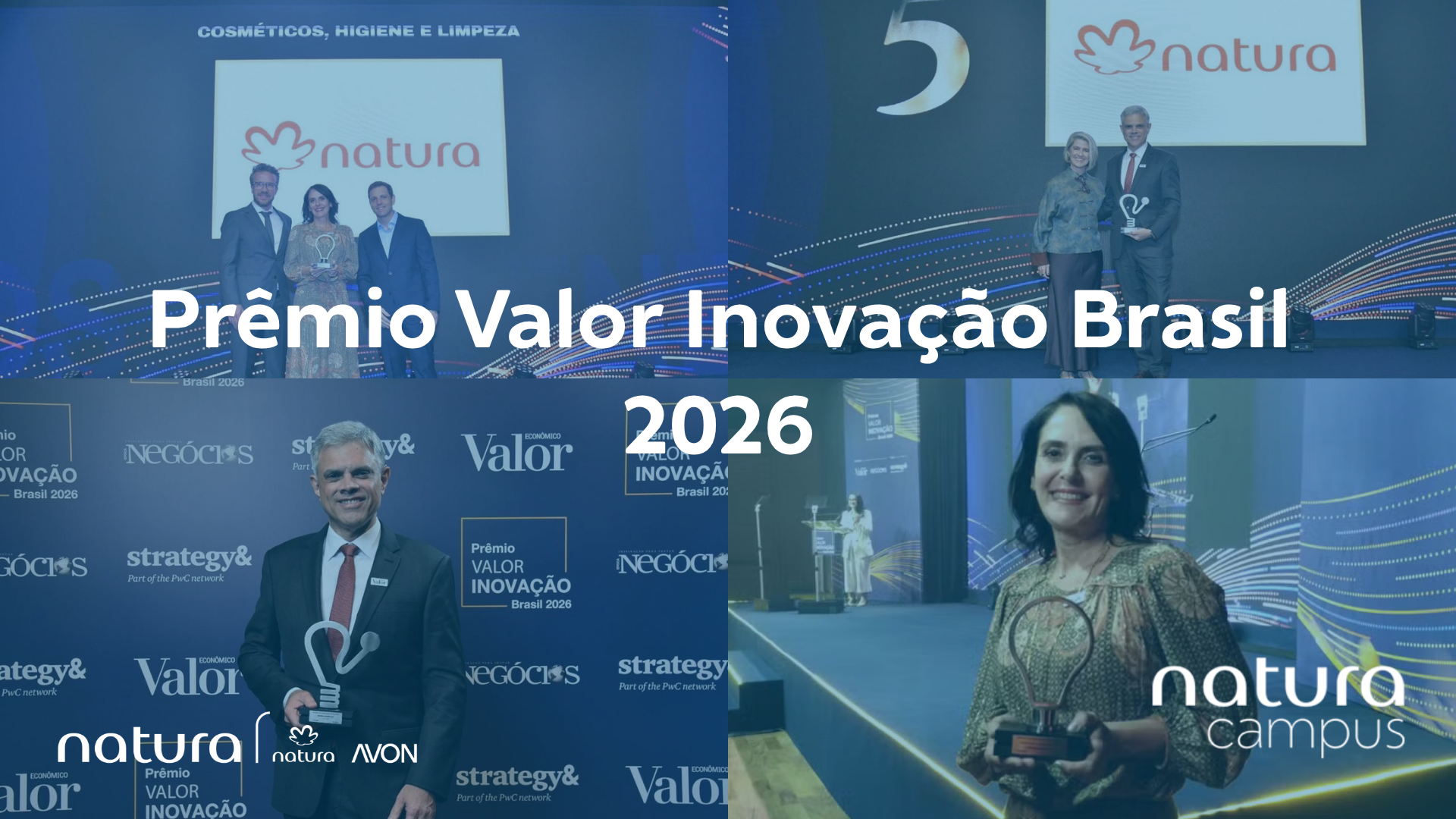
As recognition of Natura's long-standing commitment to alternative methods, we awarded the Natura Campus Prize during the event, celebrating 17 years without testing on animal models and 5 years since obtaining the Cruelty Free International Certification. The award recognized academic researchers for their innovative contributions to the development of new alternative methods in Brazil. As part of the Scientific Committee, Natura played a key role in evaluating the works presented for the award, standing out as a leader committed to the advancement and promotion of alternative methods in the national scientific landscape.
During the I-Brazilian Congress on Alternative Methods (I-CBMAlt), Natura also contributed by presenting eight works through poster abstracts, addressing innovations and significant advances in alternative methods in the industry. Additionally, Dr. Kelen Fabiola Arroteia represented Natura in the Round Table titled "The Importance of Alternative Methods for the Cosmetic Industry," discussing the topic alongside representatives from other companies in the cosmetic sector. Her presence at the round table significantly contributed to the discussion on the relevance and positive impact of alternative methods in the cosmetic sector, highlighting Natura's position, always committed to innovation and ethics in its scientific practices.
In addition to scientific contributions, Natura also played a fundamental role in promoting training on the topic of alternative methods, actively participating in webinars and courses. In 2022 and 2023, the company was involved in five of these events, including organizing the Training Course by PREMASUL/RENAMA in partnership with LnBio (National Laboratory of Biosciences, from the National Center for Research in Energy and Materials, CNPEM), addressing the topic of Human Microphysiological Systems in September 2022.