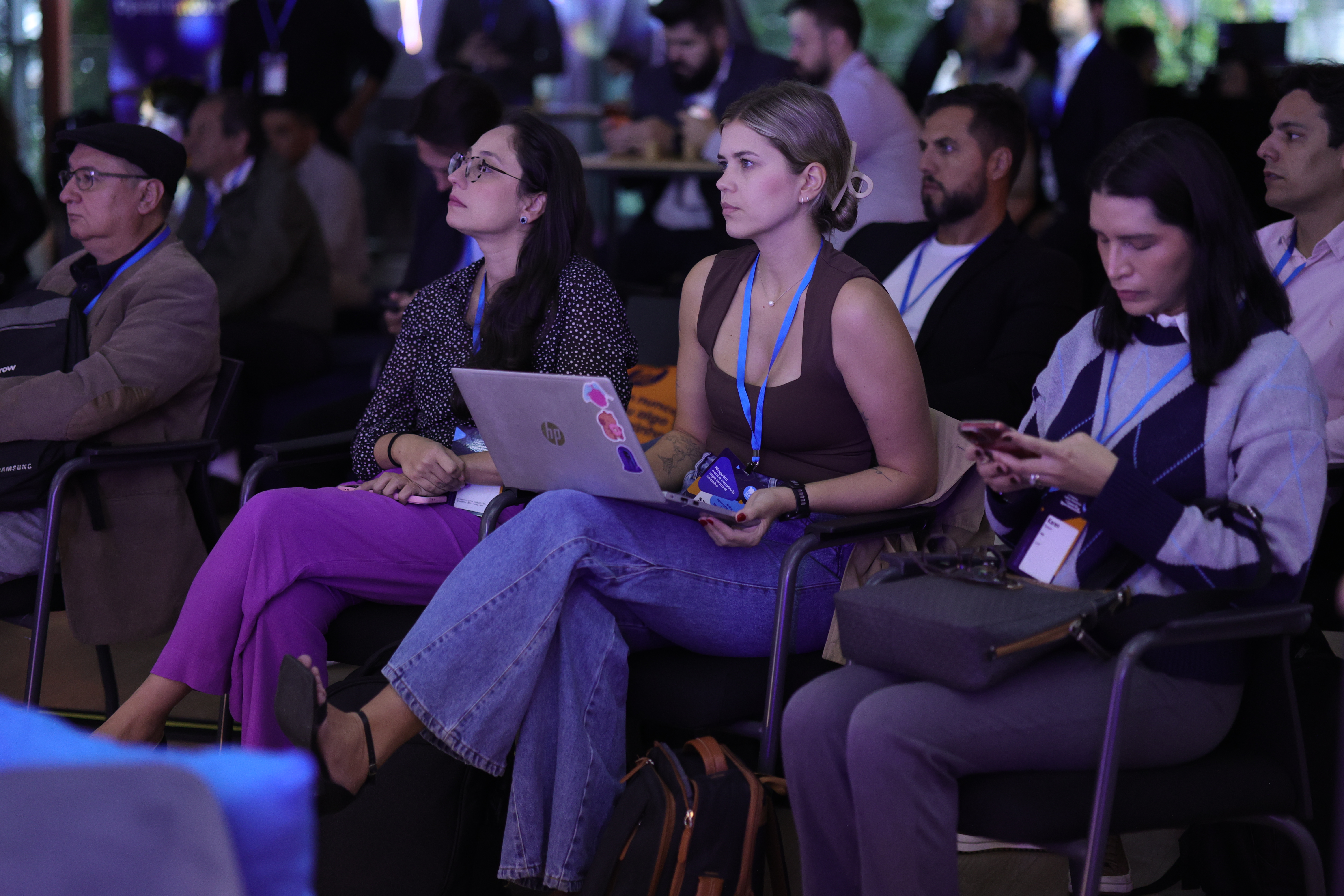
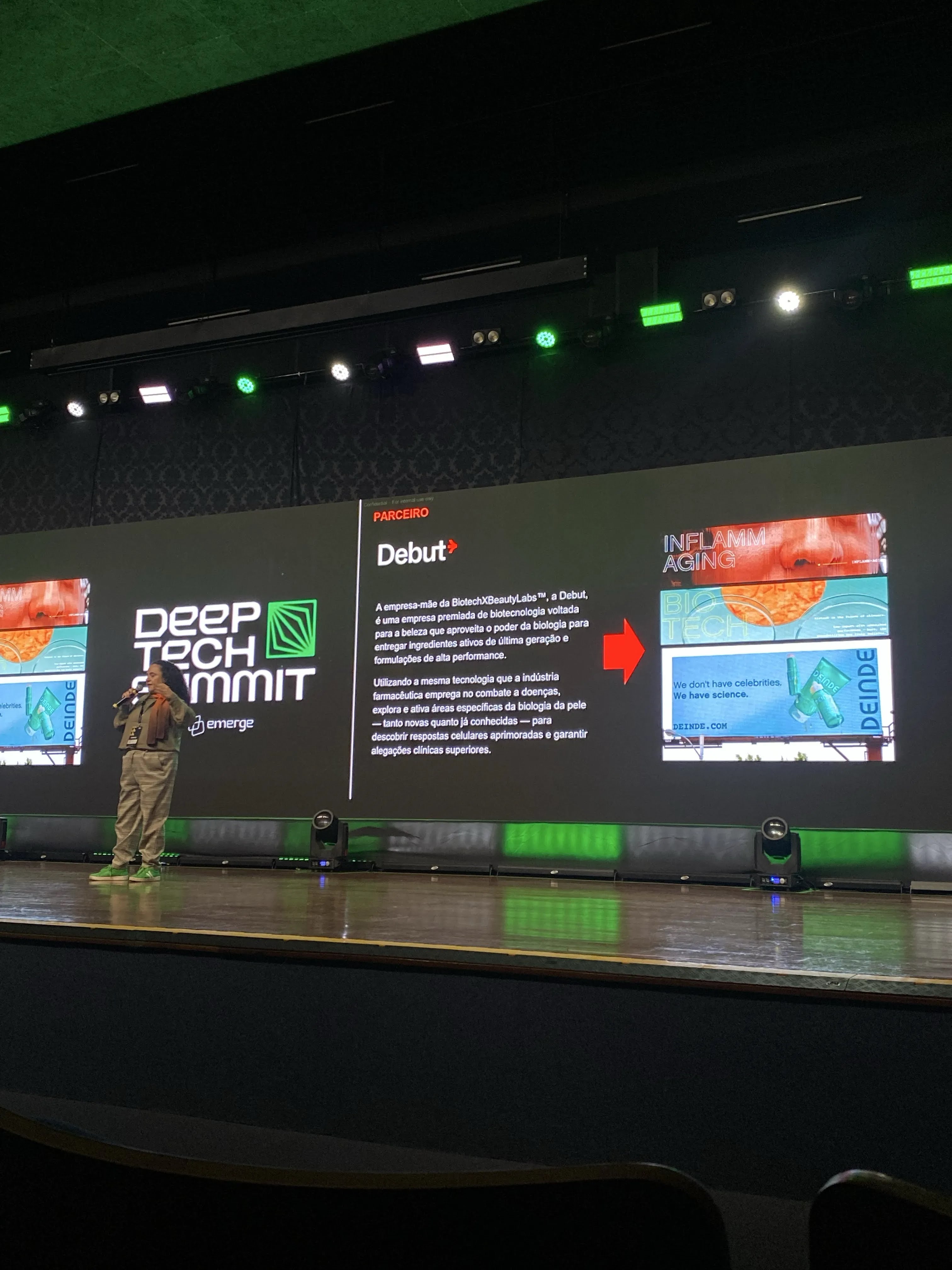
“Much is said about building smarter cities. Now, we need to learn to say the same thing about forests.” This is how Marina Almeida, digital innovation manager at Natura and leader of the Natura Startups Program, opened the workshop Innovations and challenges of bringing the Amazon to the homes of thousands of consumers in Brazil and around the world at the Open Innovation Week, an event that brings together professionals from various fields of knowledge to connect startups with large companies in search of innovative business solutions.
She emphasizes that events like OiWeek are essential for facilitating these exchanges and making them increasingly fruitful, especially to attract business to regions of Brazil that are not always on the radar of companies operating in the large cities of the Southeast, for example. “Our goal is to encourage more business to be done in the Amazon through direct interaction with local entrepreneurs and in conjunction with important actors already established in the ecosystem. We want to inspire entrepreneurs from large urban centers by showing that there is a possibility to better utilize their resources, bringing technology and innovation there,” she says.
For Marcela Martinelli, head of innovation management at Natura, identifying opportunities for action based on Brazilian sociobiodiversity is a very promising path for sustainable development in Brazil – and the work done in the North region is a leading and pioneering part of this process. Being part of this movement alongside startups, according to her, makes it easier to express needs, engage in dialogue, and seek help from companies that want to collaborate with proposals. “It is through concrete actions being carried out in the Amazon that we can advance our understanding of the socio-environmental challenges of that region. With this, we can seek practical innovation that generates impact from investments and growth opportunities in the forest.”
Marcela emphasizes the view that a lack of technology is not always the same as needing cutting-edge technology. Often, the necessary solutions in forest areas require more accessible procedures, such as developing alternatives for carrying bags of fruits, making raw material processing more efficient for extracting purer ingredients, or creating a georeferencing and traceability map to enumerate trees where harvests are conducted. “All these technologies are ways to create a more robust and competitive supply chain while maintaining the health of the forest and ensuring that the people living there stay and preserve the region,” she points out.
Biodiversity that teaches
To generate a positive impact in the Amazon, Natura works on creating Sustainable Territories. Currently, 2,358 families benefit in 36 communities. According to Iguatemi Costa, scientific manager at Natura, startups and other companies will be able to benefit from sustainable development when they understand that the assets of Brazilian biodiversity can be technology platforms they can leverage to expand their businesses. For him, the challenges of this scenario are not within Natura's laboratories, but in direct relationships with Amazon communities, in research on productive potential, and in social technologies that can be applied in the region – areas that can grow significantly with third-party investment.
The key to seeing the possibilities for positive impact lies in perceiving the Amazon as a rich, complex, and biodiverse place, with context, culture, and people.
It is the appreciation of this that brings innovation. “Underneath this forest lies a lot of wealth,” emphasizes Priscila Matta, sustainability manager. “Business models need to understand the way of life of extractive populations, and this challenge will only be solved with more partnerships.” For her, the development of the Amazon as a sustainable production area can strengthen the entrepreneurial mindset in the region, allowing it to thrive in the long term. “It’s not paternalism or aid – it’s joint work.”
Priscila also emphasizes that, to be successful, investments in the region need to promote environmental conservation and regeneration, social inclusion, and cultural appreciation. Before that, however, it is necessary to re-educate the perspective of companies, which must embrace a much larger Brazil. “We need to see solutions beyond our immediate surroundings and axis,” she says.
Currently, Natura maintains an Innovation Center within the Ecopark, in the city of Benevides, near Belém (PA), and invests in the development of new natural ingredients in models at the frontier of sustainability. It is through this local and regional insertion that collaboration with the Amazon region gains a much deeper and transformative dimension – not only in creating new technologies but also in valuing Brazilian culture. There are R$ 170 million invested every year in innovation, giving greater visibility to the country’s natural riches.