São Paulo – Imagine that you are trapped in a containment device with your hands tied and only your head exposed to the outside environment. Your eyes burn as if they were a ball of fire, but there is nothing you can do, neither scream, nor cry, nor struggle: you are a mere test subject for chemical testing. This is the cruel reality that hundreds of thousands of animals are subjected to every day around the world. But with public pressure, legislative advances, support from companies, and scientific and technological know-how, this is changing.
Currently, there are many laboratory testing methods that can be used instead of animal testing. Instead of measuring how long it takes for a chemical to burn the cornea of a rabbit's eye, manufacturers can now test this chemical on 3D tissue structures similar to the cornea produced from human cells. Thus, the inhumane “in vivo” technique is replaced by others that do not afflict any animals.
In Brazil, Natura was one of the first giants in the sector to eliminate animal testing for cosmetics in 2006. To celebrate the ten years of this milestone, the company opened its toxicological analysis laboratory to journalists, andEXAME.com went to see up close how safety tests are conducted at the factory in Cajamar, São Paulo. During this time, the company invested in laboratory infrastructure, modern equipment, and the hiring of specialized scientists in the field.
“We believe in a future without animal testing,” says Vanessa Rocha, a scientist at Natura. “But developing new ingredients without testing on animals is a very big technological challenge. In the last 10 years, we have made 20 partnerships with national universities and international research institutes to find alternatives. With this, we have developed 67 alternative methodologies to the use of animals for testing the efficacy and safety of products,” she explains.
The company has already generated 20 filed patents for new ingredients without animal testing. Modern testing methods include sophisticated examinations using human cells and tissues (the so-called “in vitro”), advanced computer modeling techniques (known as “in silico” models), and studies with human volunteers. This meticulous process to ensure the safety and efficacy of products can take up to four months to complete.
In silico
The first step of toxicology testing is in silico, which consists of computational simulations. Through a sophisticated tool that simulates human biology and the progression of health problems, Natura scientists analyze the chemical structure of the ingredients of the new active principle and simulate their risks.
They can predict how the cosmetic ingredients will react in the body, making probability estimates of whether a substance is dangerous, based on its similarity to existing substances and the knowledge available about human biology. The chemical substances are also evaluated for their ability to cause effects such as increased collagen, elastic fibers, and allergies.
In vitro
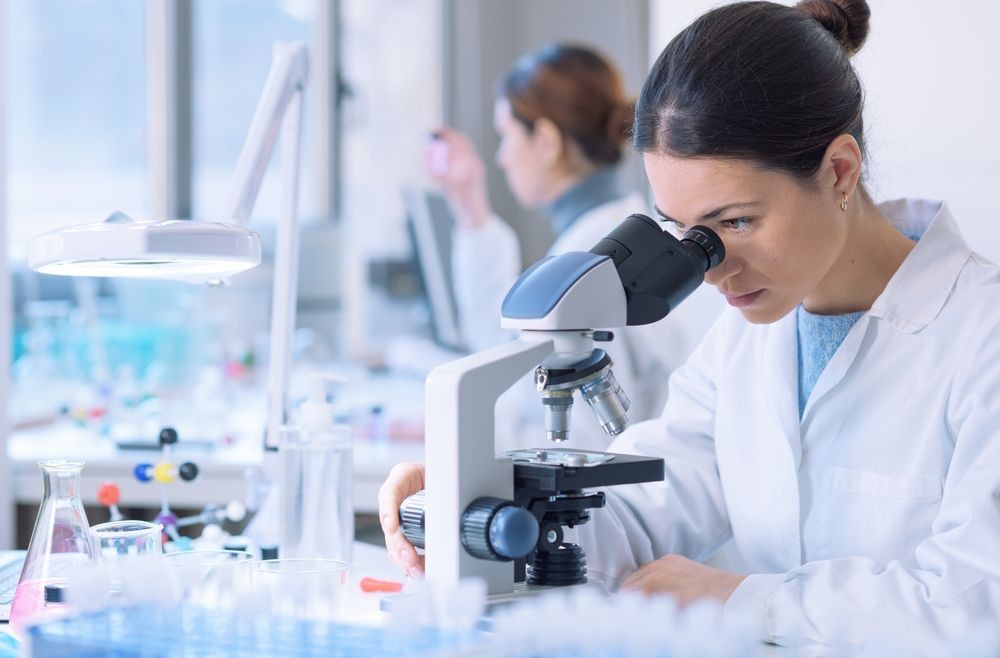
After the computational models, the cosmetics proceed to the biological testing phase, one of the most curious and sophisticated. Scientists evaluate the behavior of the products applied to living tissues using 3D skin and cornea developed in the laboratory. Both the positive effects of the product application and the negative ones are taken into account.
The artificial skin is obtained from cell culture, a set of techniques that allow the maintenance of cells and tissues in vitro, preserving their physiological, biochemical, and genetic properties as much as possible. This process is carried out in the laboratory under controlled conditions of temperature, humidity, oxygen, and carbon dioxide.
The cells can be isolated for in vitro culture from blood, bodily fluids, and also from the skin of donors subjected to surgical procedures. Cultivated in an ideal environment and receiving the necessary salts and substances for their growth, the cells created in the laboratory function as independent units similar to microorganisms such as bacteria and fungi.
With this method, scientists can reproduce the two layers of tissue that make up the skin – the epidermis (the outermost) and the dermis (the innermost) – which are then used to assess the toxicity and efficacy of new cosmetic ingredients. To create complete skin, with both layers, it takes about 15 consecutive days of culture.
In safety tests, they analyze, for example, whether the new substance can cause cell death (cytotoxicity), whether it can become dangerous or cause skin damage in the presence of sunlight (phototoxicity), and whether it can still cause cancer in the long term (mutagenicity).
With the information generated by the in silico and in vitro tests, scientists can calculate the safe amount of ingredients for use, considering the consumer public, type of product, and frequency of use. The final stage of testing is the evaluation in human volunteers.
Originally published by: exame.abril.com.br