Text rewritten from Revista Pesquisa Fapesp
FAPESP and Natura approved the proposal to create a center for applied research on well-being and human behavior, based at the Institute of Psychology at the University of São Paulo (USP). The project is led by Emma Otta, a professor in the Department of Experimental Psychology at the institute, and brings together more than 40 scientists and their teams working in complementary areas at universities such as USP, the Federal Universities of São Paulo (Unifesp) and Rio Grande do Sul (UFRGS), Mackenzie, as well as American institutions like New York University, University of Florida, and Washington State University.
The main objective is to create a knowledge base capable of assessing and promoting well-being, integrating fields of knowledge such as neuroscience, ethology, social psychology, and positive psychology, which studies emotions like happiness and pleasure, in addition to applied health, human, and social sciences. “Interdisciplinary in nature, the center brings together researchers united by the interest in studying emotions and the appreciation of interventions that seek emotional education,” defines Emma Otta. “Historically, both psychology and neuroscience have focused on the study of non-emotional processes, such as attention, problem-solving, and memory. Today, emotion is considered a legitimate subject of study and subject to investigation by scientifically rigorous methods.”
According to Gerson Pinto, vice president of innovation at Natura, this is an unprecedented model of an integrated center involving a Brazilian company to investigate a topic that is still little explored in academia. “Natura has been conducting scientific research on well-being for eight years, and the center will play a fundamental role in expanding our vision on the subject, building a robust network of knowledge, especially in the areas of psychology and neuroscience, and allowing us to increasingly bring relevant innovation related to individuals and their relationships,” he explains. “The initiative will provide the opportunity to recognize more assertive pathways for promoting well-being through our products and services, both from the individual and collective perspectives.” According to Gerson Pinto, there is also an expectation for a significant dissemination of the theme of well-being in society, including the education sector and the generation of business opportunities for entrepreneurs.
The investment in the establishment and operation of the center will be R$ 20 million over 10 years, equally divided between Natura and FAPESP. The initiative was approved under the FAPESP Program for Research in Partnership for Technological Innovation (Pite), which supports projects in research institutions developed in cooperation with companies and co-financed by them. But it combines practices from another program of the Foundation, the Centers for Research, Innovation, and Dissemination (Cepid), which supports long-term multidisciplinary teams dedicated to topics at the frontier of knowledge and seeks to connect scientific research with innovation, education, and technology transfer.
The work of the center will be organized into four main lines. The first, focused on well-being assessment, includes conducting epidemiological and cohort studies (where a specific group is followed for a long period), and developing new indicators capable of assessing well-being in the Brazilian population. One of the main challenges is to create criteria for evaluating the subjective sensations associated with well-being with objective indicators. “There are ways to do this, associating, for example, individuals' reports of positive or negative emotions with their brain activity, sweating, and heart rate,” says Emma Otta.
Odors
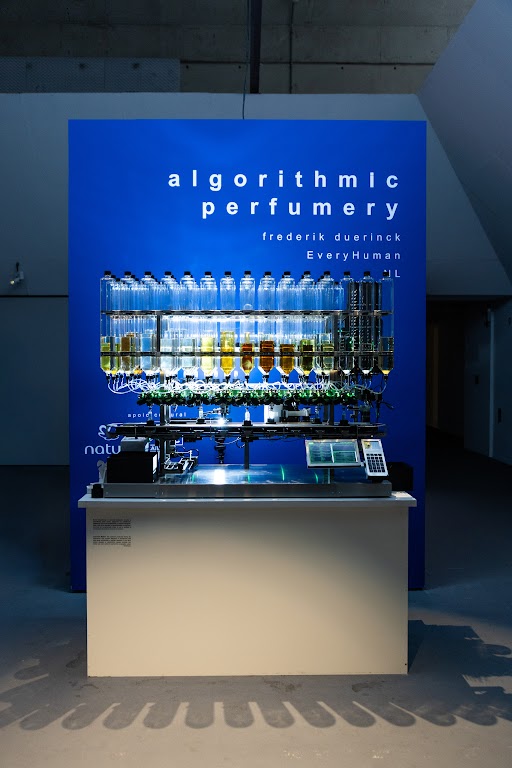
The second line focuses on emotional expression and the recognition of emotions. Studies will seek to identify emotional expressions through behavior observation protocols and responses such as visual reactions or the activation of emotion by odors. “Scents can evoke emotional reactions, and we want to understand how well-being can be positively affected by smell,” explains the researcher.
The third line, called Neurophysiological Measures of Affect, includes clinical and experimental studies on emotional self-regulation, which encompasses the processes that manage impulses and emotions. Physiological responses to odors will also be investigated in this topic. The fourth line of research focuses on interventions to stimulate emotional self-regulation. It proposes studies in the areas of positive psychology, public health, and behavioral psychology capable of promoting emotional self-regulation, subjective well-being, social skills in children and adults, and resilience, a psychological concept borrowed from physics that defines the ability to cope with problems and withstand the pressure of adverse situations.
The center has a background of research projects such as the thematic project Mother-baby Interaction: Postpartum Depression as a Risk Factor for Development, concluded in 2012, which followed postpartum depression in mothers from São Paulo. Led by Emma Otta, the project had as principal researchers Vera Silvia Raad Bussab, from the Department of Experimental Psychology at the Institute of Psychology at USP, and Maria de Lima Salum and Morais, from the Institute of Health, who also participate in the new center. “The various teams are detailing the work plan and are very motivated to start soon,” says Emma Otta. The researchers will interact with professionals from Natura's Innovation vice-presidency, particularly those in the Well-being Sciences area. The vice-director of the center will be defined by Natura.
Project
Positive psychology and neuroscience translational research to promote well-being and emotional regulation (nº 2014/50282-5); Type Research Grant – Research in Partnership for Technological Innovation (Pite); Responsible researcher Emma Otta (Institute of Psychology-USP); Investment R$ 10 million (FAPESP), R$ 10 million (Natura), over 10 years