“Giant by its very nature, you are beautiful, you are strong, fearless colossus, and your future reflects this greatness...”
This small excerpt from the National Anthem speaks of one of Brazil's most important characteristics, which distinguishes it from other countries and can even be called a national treasure: its enormous biodiversity. When Joaquim Osório Duque Estrada composed the lyrics of the National Anthem, back at the beginning of the last century, he surely must have imagined how many possibilities could arise from Brazil's natural resources. The greatest symbol of this wealth is undoubtedly the Amazon Rainforest, the largest tropical forest in the world, covering an area of millions of square meters, of which 60% is located in Brazilian territory. It is so rich that despite covering only 7% of the planet's surface, it contains more than 50% of the Earth's species.
It is sad to know the reality of deforestation that plagues this region, as the truth is that not always does plant extraction occur in the correct manner. To combat deforestation in the Amazon, the Federal Government relies on modern monitoring equipment, such as the Real-Time Deforestation Detection System (DETER), which uses high-frequency observation sensors that provide deforestation control agencies with “almost real-time” information about the areas being deforested [1]. However, it is still common to see news about the seizure of illegal timber in the region.
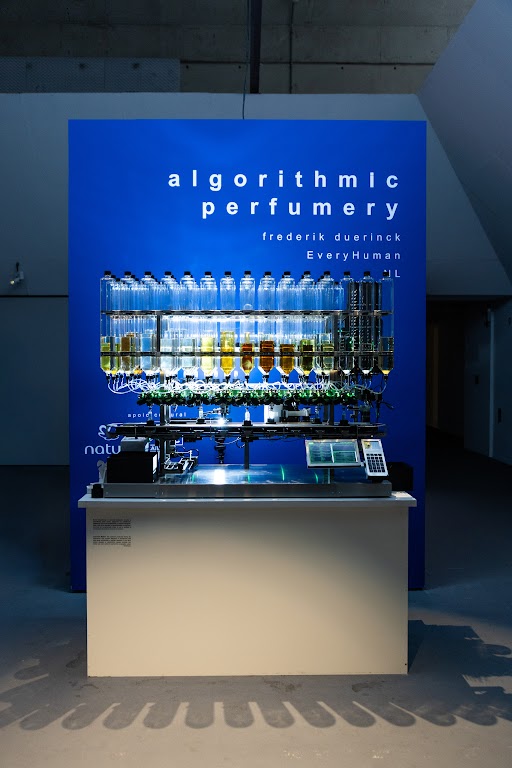
The loss of these natural resources would represent a significant blow to the country, starting with the populations that directly depend on the forest's resources and extending to the entire Brazilian people, who would lose the opportunity to enjoy the benefits offered by the forest, as the Amazon increasingly attracts researchers interested in identifying the potentials offered by nature [2]. This is the case of the group coordinated by Professor Dr. Adrian Martin Pohlit, who works in the laboratory of the Natural Products Research Center at the National Institute for Amazon Research (INPA) in Manaus, and has been seeking to discover antimalarial properties in plants from the Amazon region since 2001 [3]. But beyond the pharmaceutical industry, this natural potential is also utilized in various other sectors, such as the cosmetics industry. This is what Natura does, investing in research and projects for the sustainable use of the region's resources in its products. Every product or business generated from raw materials developed from the genetic heritage and/or traditional knowledge associated with the region is shared with the communities involved in the form of benefits, creating sustainable business opportunities for the entire chain involved in development.
In addition to valuing the social and natural wealth of the country, associating products with their place of origin is a way to attribute exclusivity and can be a way to communicate that it possesses special qualities based on human knowledge and the specific characteristics of a given region, giving identity to the product. In fact, a study showed that identical items in all aspects, except for the place of origin, are evaluated differently by consumers, and there seems to be a strong link between the country of origin and perceived quality [4]. The truth is that we need to invest in the study and sustainable utilization of our country's natural resources; after all, it is time to discover the best that Brazil has to offer!
References
[1] Site: IBAMA. Project for Monitoring Deforestation in Brazilian Biomes by Satellite – PMDBBS – Amazon.
http://siscom.ibama.gov.br/monitorabiomas/amazonia/Amazonia.htm
[2] Shanley P, Medina G. Nutrition and Health: free in the forest. In: Fruiting and useful plants in Amazonian life. 2005;p.18;
[3] Site: State Secretariat for Science, Technology and Innovation – Science in Focus. Silva R. Researchers seek treatment for malaria in Amazonian plants. Posted on 5-2-2013. http://www.cienciaempauta.am.gov.br/2013/02/grupo-de-pesquisadores-busca-tratamento-mais-eficaz-para-a-malaria/
[4] Verlegh PWJ, Steenkamp JBEM. A review and meta-analysis of country-of-origin research. Journal of Economic Psychology. 1999;20:521-546.