In the previous publication, we talked about the research project that addressed the psychosocial aspects and needs of Brazilian black women. This study gave rise to the recent products from the Natura Tododia line formulated especially for black skin with specific ingredients such as sesame oil, panthenol, and niacinamide.
In parallel to this study, research is underway led by Natura in partnership with the Medicinal Chemistry Center (CQMED) of Unicamp and supported by Embrapii. Lasting 2 years, the research aims to understand the biological components of different shades of black skin, also addressing the entire scale of phototypes, from the lightest to the darkest tone. The objective is to analyze genetic and cellular patterns to better understand the needs of the cells, which can accelerate or delay skin aging and predispositions to dermatoses.
Most medical publications focus on light skin, which makes it difficult to diagnose diseases in darker skin, delaying care and treatments, says Juliana Lago, scientific manager at Natura. According to a survey by the Mayo Clinic, an American institution specializing in healthcare and medical research, skin cancer is diagnosed at more advanced stages in black individuals than in white individuals.
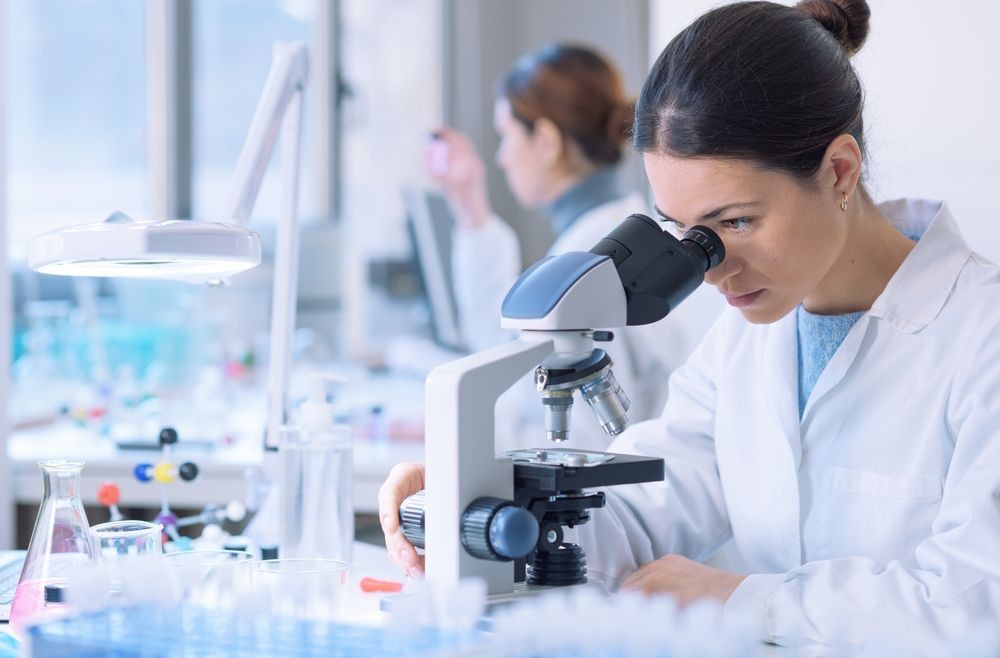
The study will include precise genetic analysis, due to the performance of experiments with single-cell RNA sequencing. This innovative technology allows for the investigation of the molecular profile of each cell in skin samples and differs from the traditional method that only provides the average of genetic characteristics present in a set of cells.
Marco Vinolo, a professor at Unicamp and a partner in the project, emphasizes the importance of understanding the profile of each cell, as each type has specific characteristics. The study offers various possibilities, allowing the researcher to explore different aspects throughout the analysis. Additionally, the information will be integrated into the Human Cell Atlas, an international consortium that maps all types of cells in the human body to drive advances in medicine. 🔍🌍